
Selenium and Graves’ Disease

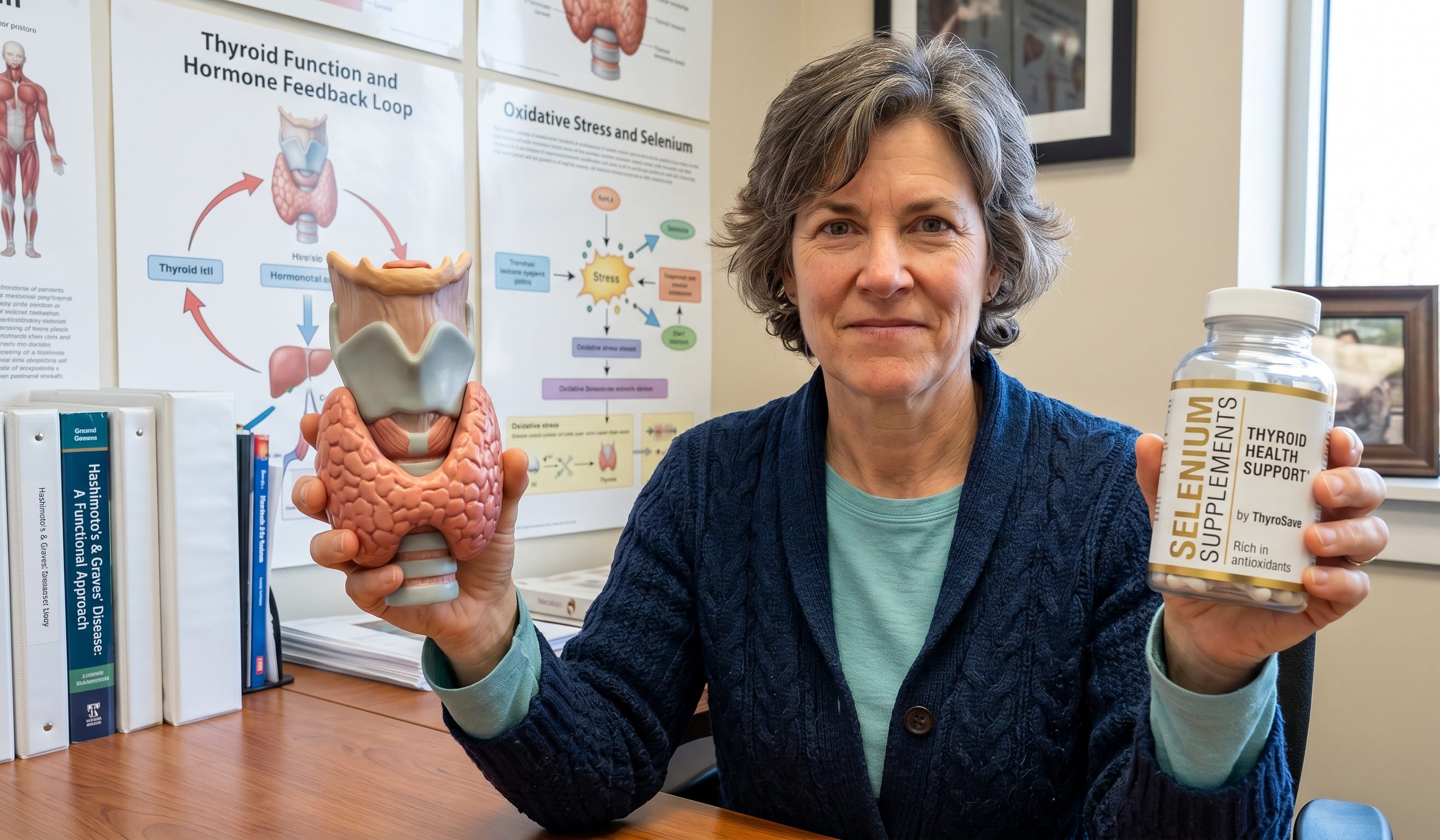
All of the vitamins and minerals are important for optimal health, and so I hate “hyping up” any single nutrient. But there is so much research when it comes to selenium and thyroid health, including multiple studies showing that it can benefit those with Graves’ disease.
One of the main reasons why selenium can be helpful is because it can help decrease oxidative stress, which is a factor in autoimmune conditions such as Graves’ disease. Selenium is a cofactor for glutathione peroxidase, which works closely with glutathione, often referred to as “the master antioxidant.”
But selenium’s role goes beyond antioxidant protection. It is also one of the most important minerals involved in thyroid hormone metabolism and thyroid gland health, which I’ll discuss shortly.
Over the years I’ve had many patients experience some great benefits from supplementing with selenium. But there are also people who have taken selenium and didn’t notice any significant improvements in their symptoms or lab findings. In the latter scenario, this doesn’t mean that selenium wasn’t beneficial. After all, most people aren’t taking selenium by itself. They’re also making dietary changes, working on stress management, supporting their gut health, and addressing other underlying imbalances.
In other words, selenium isn’t a magic bullet. It’s just one piece of the puzzle. That said, if I had to choose one mineral supplement for someone with Graves’ disease, selenium would be near the top of my list.
If you know someone who might find this article helpful, please forward it to them. And if you’re not already signed up for my free newsletter, you can do that here:
Why Selenium Is So Important for the Thyroid
In addition to helping reduce oxidative stress, selenium also plays an important role in thyroid hormone metabolism. Selenium is required for the activity of deiodinase enzymes, which are responsible for converting thyroxine (T4) into triiodothyronine (T3), the active form of thyroid hormone.
Selenium also helps protect the thyroid gland from oxidative damage. Every time thyroid hormone is produced, hydrogen peroxide is generated as part of the process. While hydrogen peroxide is necessary for thyroid hormone synthesis, excessive amounts can damage thyroid cells if not adequately neutralized.
This is where selenium-dependent enzymes, including glutathione peroxidase, become important. These enzymes help neutralize excess hydrogen peroxide and other free radicals, thereby helping to protect the thyroid gland from oxidative stress.
And since oxidative stress is a factor in autoimmune conditions such as Graves’ disease, this is yet another reason why selenium can be beneficial for some people with thyroid autoimmunity.
What the Thyroid-Related Research Shows
One review article looked at 15 studies involving people with either Graves’ disease or thyroid eye disease. In Graves’ patients, selenium supplementation was associated with significant improvements in TSH, free T4, free T3, TPO antibodies, thyroglobulin antibodies, and TRAB levels. In those with thyroid eye disease, selenium supplementation had positive effects on multiple clinical outcomes (1).
Another study showed that the combination of methimazole and selenium supplementation in Graves’ patients had a beneficial effect on reducing thyroid hormone levels and thyroid antibodies (2).
A third study showed that selenium supplementation in patients with mild Graves’ Orbitopathy provided promising results, and it’s possible that it may also have beneficial effects in moderate to severe Graves’ Orbitopathy, especially in those who are selenium deficient (3).
Not every study shows selenium supplementation to be beneficial. For example, a 2026 study examined the effects of selenium versus placebo on remission rates and quality of life in individuals newly diagnosed with Graves’ disease (4). This study showed that daily selenium supplementation did not have any significant effects compared to placebo and therefore did not support the routine use of selenium supplementation in Graves’ hyperthyroidism.
In my clinical experience, I have seen some good improvements with selenium supplementation, but this definitely isn’t the case with everyone who takes it. However, as long as someone doesn’t take excessive amounts, I do think the potential benefits outweigh the risks. Plus, unlike many supplements, selenium is relatively inexpensive.
Brazil Nuts vs. Selenium Supplementation
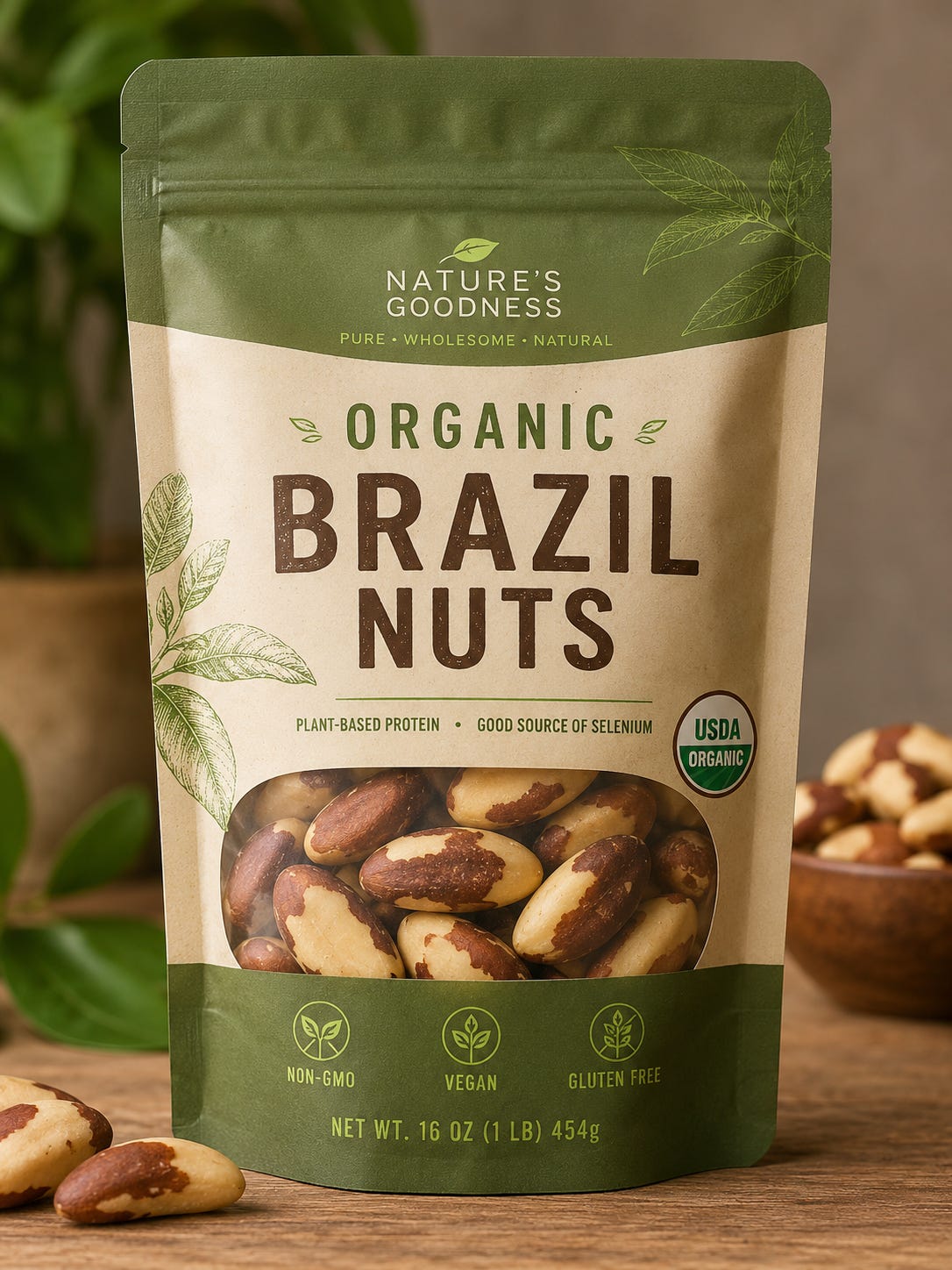
One of the most common questions I get asked is, “Can I eat Brazil nuts to get my selenium?”
I’ll be upfront here. On a wellness basis, I eat a couple of Brazil nuts daily. But when someone is dealing with Graves’ disease and actively trying to heal, I recommend supplementing with selenium.
Here’s why: while Brazil nuts are an excellent source of selenium, you never know exactly how much selenium you’re getting, as it depends on the selenium content of the soil where the nuts were grown.
One Brazil nut might provide 20 mcg of selenium, while another might provide 80 mcg or more. As a result, if you eat two or three Brazil nuts per day, you could be getting well over 200 mcg—or less than 100 mcg.
Because of this variability, I recommend taking selenium in the form of selenomethionine while healing. As for dosage, although I can’t give specific recommendations here, I can say that 200 mcg is the amount I most commonly recommend to those I work with.
Other Food Sources of Selenium
In addition to Brazil nuts, seafood and organ meats are among the richest food sources of selenium (5).
Those with hyperthyroidism may want to be cautious about consuming large amounts of certain seafood due to the iodine content, although this doesn’t mean you need to avoid seafood altogether. For example, sardines are rich in selenium and relatively low in iodine.
You can also obtain selenium from other foods such as beef, poultry, eggs, and turkey. While these foods generally don’t provide as much selenium as Brazil nuts or organ meats, they can still contribute significantly to overall selenium intake.
Checking Selenium Levels
There is no perfect test for determining selenium status.
Although serum selenium isn’t considered an ideal measurement of selenium levels within the tissues, some sources claim it is still one of the more useful ways to assess selenium status (6). If testing selenium in the blood, I prefer RBC selenium because it may better reflect longer-term selenium status.
Many people question the accuracy of hair mineral analysis testing. And while hair testing certainly has limitations, some studies suggest that hair selenium levels can provide useful information (7,8). This is one reason why I commonly recommend hair tissue mineral analysis to my patients.
That said, I don’t routinely test selenium levels in everyone before recommending supplementation. But because I typically recommend a conservative dose, I’m often comfortable recommending selenium without testing first.
Concerns With Selenium Toxicity
In the past, 201 people were affected by a manufacturing error involving a liquid dietary supplement that contained 200 times the labeled concentration of selenium (9). Fortunately, only one person required hospitalization.
Symptoms associated with selenium toxicity included:
Diarrhea (78%)
Fatigue (75%)
Hair loss (72%)
Joint pain (70%)
Nail discoloration or brittleness (61%)
Nausea (9%)
Thankfully, selenium toxicity is relatively uncommon, and I don’t recall any of my patients experiencing it. But that doesn’t mean it can’t happen.
Most cases of selenium toxicity occur when people take excessively high doses for extended periods of time or when there is a manufacturing error such as the one described above.
This is one reason why more isn’t always better. Some people hear about the benefits of selenium and assume that taking 400, 600, or even 800 mcg daily will provide greater results. But at some point the risks begin to outweigh the benefits.
The good news is that if someone takes a reasonable amount of selenium and follows the guidance of a qualified healthcare practitioner, toxicity is very unlikely.
Final Thoughts
While selenium isn’t a magic solution for Graves’ disease, it is one of the supplements I most commonly recommend, as there is numerous research supporting its role in thyroid health, immune regulation, and antioxidant protection.
Some people notice significant improvements in their symptoms, antibodies, or thyroid eye disease when taking selenium, while others notice very little. This doesn’t necessarily mean selenium isn’t helping, as healing Graves’ disease usually requires addressing multiple factors, including diet, stress, gut health, infections, toxins, and nutrient deficiencies.
If you choose to supplement with selenium, I generally recommend a high-quality selenomethionine supplement over relying solely on Brazil nuts due to the variability in selenium content. Just remember that more isn’t always better, and taking excessive amounts can potentially lead to toxicity.
At the end of the day, selenium is best viewed as one important piece of a much larger healing puzzle.
Thank you for subscribing to Healing Graves’ Naturally! If you know anyone who has hyperthyroidism who is looking to save their thyroid, please share this with them right away.
Are You Ready to Heal Your Hyperthyroidism?
If you have Graves’ disease or a different type of hyperthyroidism and are looking to save your thyroid and regain your health, here are some other resources you might find helpful:
1. Save My Thyroid Podcast. While most of the guest interviews can benefit those with hyperthyroidism AND Hashimoto’s, there are many solo episodes that focus on hyperthyroidism.
Most of the podcasts are uploaded to my YouTube channel.
—> https://savemythyroid.com/podcast-2/
—> http://www.savemythyroid.com/YouTube
2. Hyperthyroid Books. I have three thyroid-related books, two of them which focus on hyperthyroidism. Natural Treatment Solutions for Hyperthyroidism and Graves’ disease is in it’s third edition, and my latest book is The Hyperthyroid Healing Diet.
—> https://savemythyroid.com/book
3. Healing Graves’ Naturally Skool Community. When you join you get access to my Graves’ Survival Roadmap Training, and there is also a free monthly Hyperthyroid Healing Diet Q & A call with one of my nutritional health coaches.
—> https://www.savemythyroid.com/healgravesdisease
4. Hyperthyroid Healing Program. If you’re ready to heal your hyperthyroidism then you might be interested in my Hyperthyroid Health Restoration and Optimal Health program, where you will work with me one-on-one to heal your hyperthyroidism. For more information click on the links below.
—> http://www.workwithdreric.com
—> https://savemythyroid.com/hyperwebinar
References
(1) https://pubmed.ncbi.nlm.nih.gov/41283242/
(2) https://pmc.ncbi.nlm.nih.gov/articles/PMC11423748/
(3) https://pmc.ncbi.nlm.nih.gov/articles/PMC7870989/
(4) https://pubmed.ncbi.nlm.nih.gov/41384622/
(5) https://ods.od.nih.gov/factsheets/Selenium-HealthProfessional/
(6) https://pmc.ncbi.nlm.nih.gov/articles/PMC4425141/
(7) https://pubmed.ncbi.nlm.nih.gov/12117220/
(8) https://pmc.ncbi.nlm.nih.gov/articles/PMC3484795/
(9) https://pmc.ncbi.nlm.nih.gov/articles/PMC3225252/
2 Brazilian nuts can do the trick without the expensive capsules