
The Relationship Between Hyperthyroidism and Your Liver

When most people think about hyperthyroidism and Graves’ disease, they think about the thyroid gland, immune system, and perhaps the gut. But one organ that often gets overlooked is the liver.
This is unfortunate, as the liver plays a critical role in thyroid hormone metabolism, detoxification, nutrient storage, blood sugar regulation, and immune function. In addition, abnormal liver enzymes are common in people with hyperthyroidism. And while antithyroid medication is often blamed for elevated liver enzymes, hyperthyroidism itself can negatively affect liver health.
So let’s discuss the relationship between hyperthyroidism and the liver, and what you can do to support both.
If you know someone who might find this article helpful, please forward it to them. And if you’re not already signed up for my free newsletter, you can do that here:
Why The Liver Is Important For Thyroid Health
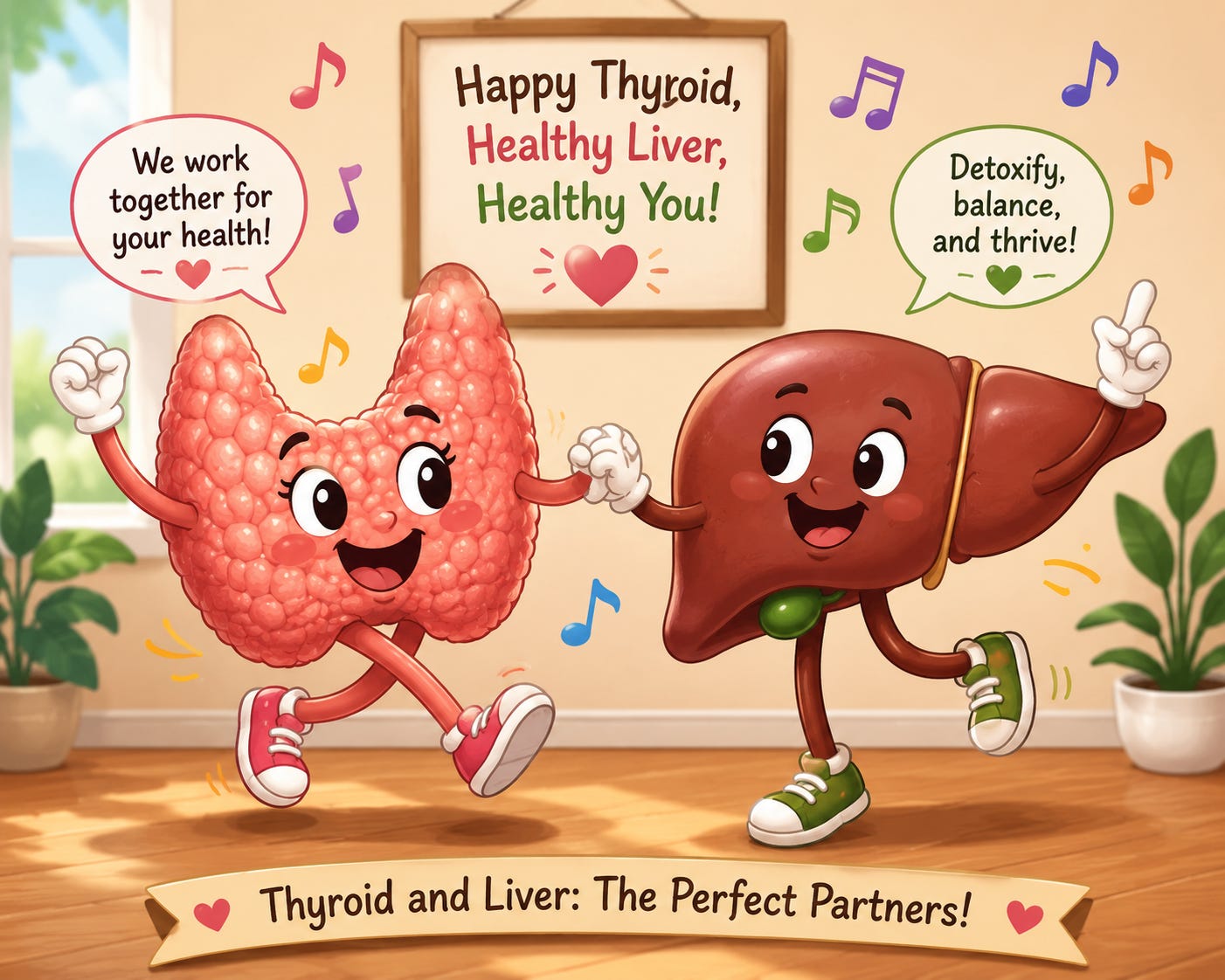
The liver plays an important role in thyroid hormone metabolism, as it contains Type 1 deiodinase enzymes, which help convert T4 into the active thyroid hormone T3.
That said, when someone has Graves’ disease, they already have an excess of thyroid hormone. So the bigger issue usually isn’t impaired T4-to-T3 conversion (which is often more relevant in hypothyroidism), but rather:
The effect of excess thyroid hormone on liver function
Increased oxidative stress
Elevated liver enzymes
The liver’s role in detoxification, hormone metabolism, bile production, and nutrient storage
How Can Hyperthyroidism Affect The Liver?
Without question, antithyroid medication commonly puts stress on the liver, which can result in elevated liver enzymes. I’ll discuss this shortly, but first I want to discuss how hyperthyroidism itself can affect the liver.
Here are some of the markers I recommend monitoring:
AST
ALT
Alkaline phosphatase
GGT
The first three are included as part of a comprehensive metabolic panel, which most endocrinologists will order for their hyperthyroid patients. And if they don’t order one, I would definitely request it.
GGT isn’t as commonly ordered by medical doctors, and while I wouldn’t say it’s absolutely essential to get, there are times when AST, ALT, and alkaline phosphatase look fine, yet GGT is elevated or above the optimal range.
While lab reference ranges vary, I generally like to see GGT below 30 U/L, and in the low twenties or teens would be even better. For example, my recent GGT was 12 U/L, which I was very happy about.
An elevated GGT can indicate increased oxidative stress, impaired detoxification, excessive alcohol intake, fatty liver disease, medication-related stress, or other liver and biliary concerns. In other words, GGT can sometimes provide additional information when the other liver enzymes appear normal.
Why does hyperthyroidism sometimes cause elevated liver enzymes?
With hyperthyroidism you have an increased metabolic rate, which leads to greater oxygen demands throughout the body. This in turn can increase the production of reactive oxygen species, resulting in greater oxidative stress. Since the liver is heavily involved in metabolism, it can be affected by this increased oxidative burden.
The good news is that if hyperthyroidism is responsible for your elevated liver enzymes, then balancing the thyroid hormones will almost always normalize these markers.
Hyperthyroidism and Alkaline Phosphatase
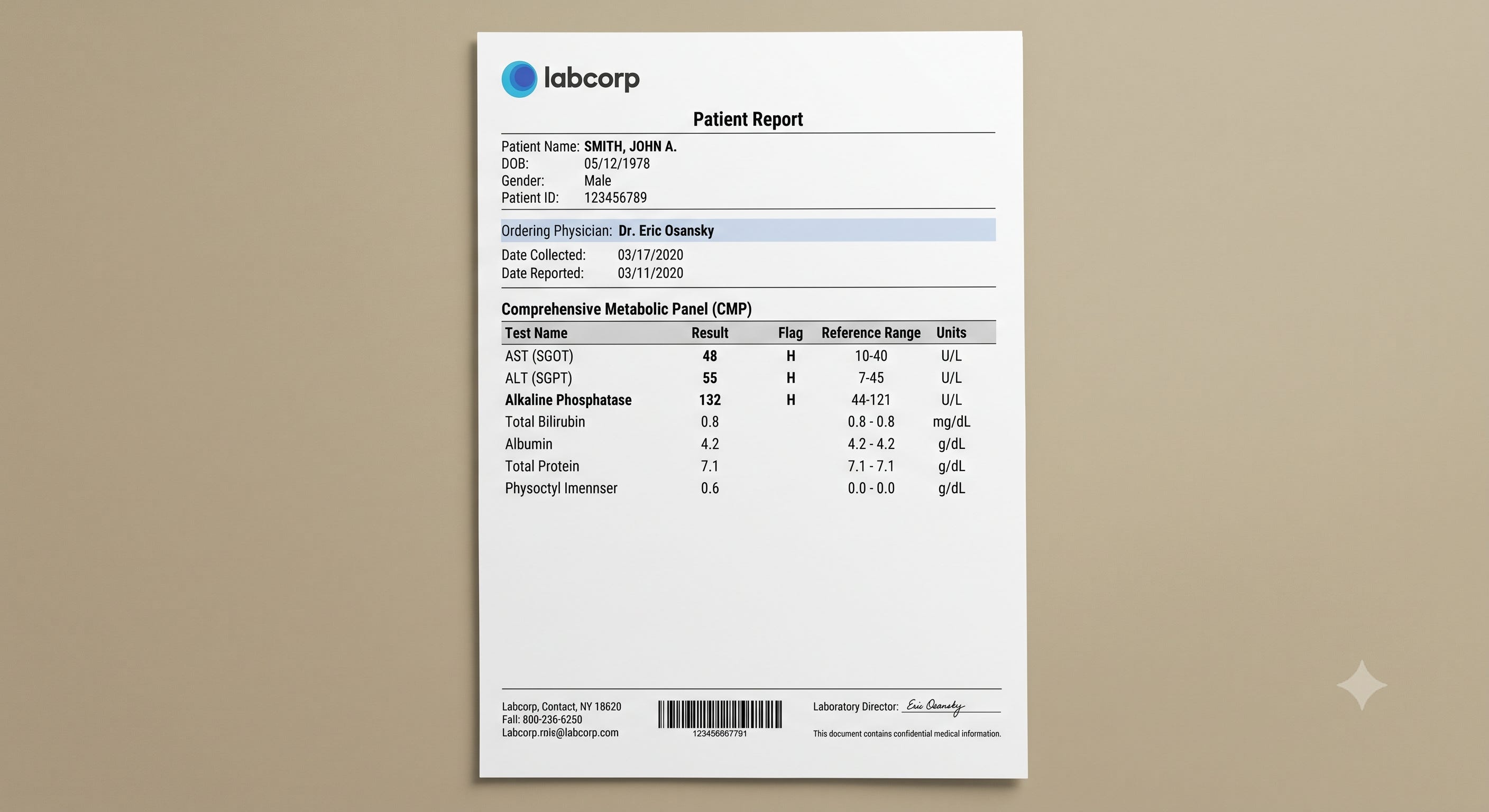
Many people become concerned about their liver health when they see an elevated alkaline phosphatase on a comprehensive metabolic panel. However, in many cases, when someone has an elevated alkaline phosphatase in the presence of hyperthyroidism, it is related to increased bone turnover rather than liver dysfunction.
This is of course a separate concern, and it’s one reason why unmanaged hyperthyroidism can negatively affect bone density.
I discuss this further in an article entitled “The Impact of Hyperthyroidism on Your Bones.”
What About Bilirubin?
Bilirubin is another marker that is included on a comprehensive metabolic panel. While most people with hyperthyroidism have normal bilirubin levels, some will have mild elevations.
In some cases, elevated bilirubin can be related to liver stress caused by hyperthyroidism itself. However, another common cause is Gilbert’s syndrome, which is a relatively common genetic condition that affects how bilirubin is processed by the liver. People with Gilbert’s syndrome often have mild elevations in bilirubin, especially during periods of stress, fasting, illness, or intense exercise.
So if your bilirubin is mildly elevated, it doesn’t automatically mean you have liver disease. This is one reason why it’s important to look at the complete picture, including other markers such as AST, ALT, alkaline phosphatase, and GGT, along with your health history and symptoms.
Antithyroid Medication and Liver Health
Both methimazole and PTU can cause elevated liver enzymes.
Everything comes down to risks versus benefits. If someone is taking antithyroid medication and has mildly elevated liver enzymes, many endocrinologists will recommend continuing the medication while monitoring liver function.
On the other hand, if liver enzymes become significantly elevated, the endocrinologist may recommend switching medications, or in many cases will ask the patient to consider receiving radioactive iodine or thyroid surgery.
Switching to PTU might help in some situations, although many times PTU can also cause elevations in liver enzymes. In fact, some research suggests that PTU can cause more serious liver complications than methimazole, although fortunately this is relatively rare.
Either way, if you’re unable to take antithyroid medication and are told that radioactive iodine or thyroid surgery are your only options, you may want to read my previous article entitled “5 Alternatives to Antithyroid Medication.”
As I mentioned earlier, your endocrinologist should order a comprehensive metabolic panel to monitor your liver enzymes, and this is especially important if you’re taking antithyroid medication.
The Liver-Gut-Thyroid Connection
When discussing hyperthyroidism and Graves’ disease, most people don’t think about the liver and gut working together. But these two organs are closely connected, and both can have a significant impact on thyroid health.
Let’s start with the gut. The microbes of the gastrointestinal tract help regulate the immune system, produce beneficial compounds such as short-chain fatty acids, and help maintain the integrity of the intestinal barrier. When someone has gut dysbiosis, a chronic infection, or increased intestinal permeability (a leaky gut), this can trigger inflammation and immune system dysregulation.
Since Graves’ disease is an autoimmune condition, maintaining a healthy gut is one of the keys to restoring immune balance, and I discussed this more in a previous article entitled “The Graves-Gut Connection.”
The liver is closely connected to the gut through what is known as the gut-liver axis. Everything absorbed through the digestive tract first travels to the liver through the portal vein. As a result, if someone has a leaky gut, bacterial toxins and inflammatory compounds can reach the liver and place an additional burden on it. This can contribute to inflammation, oxidative stress, and impaired liver function.
The liver also plays an important role in hormone metabolism and detoxification. It helps process thyroid hormones, estrogen, cortisol, environmental toxins and toxicants, medications (including antithyroid medication), and many other compounds. When the liver is overwhelmed, it may not efficiently perform these functions.
While this doesn’t mean liver dysfunction directly causes hyperthyroidism, it can make it more difficult for the body to maintain optimal hormone balance and immune system health.
Another important connection involves bile. The liver produces bile, which is stored in the gallbladder and released into the small intestine to help digest fats. Bile also plays a role in eliminating toxins, hormones, and waste products from the body.
If bile flow becomes sluggish, this can affect digestion, nutrient absorption, and the body’s ability to eliminate unwanted compounds. Since many nutrients important for thyroid and immune health are fat-soluble, healthy bile production and flow are essential.
This is one reason why I frequently discuss healing the gut when working with those who have Graves’ disease. A healthier gut can reduce immune system activation and inflammation while also decreasing the burden placed on the liver.
Likewise, supporting liver health can improve digestion, hormone metabolism, and detoxification. In other words, while the thyroid often gets most of the attention, improving both gut and liver health can be an important part of helping someone restore overall health and achieve a state of remission.
Natural Ways To Support Liver Health
So what can you do to support your liver health when dealing with hyperthyroidism?
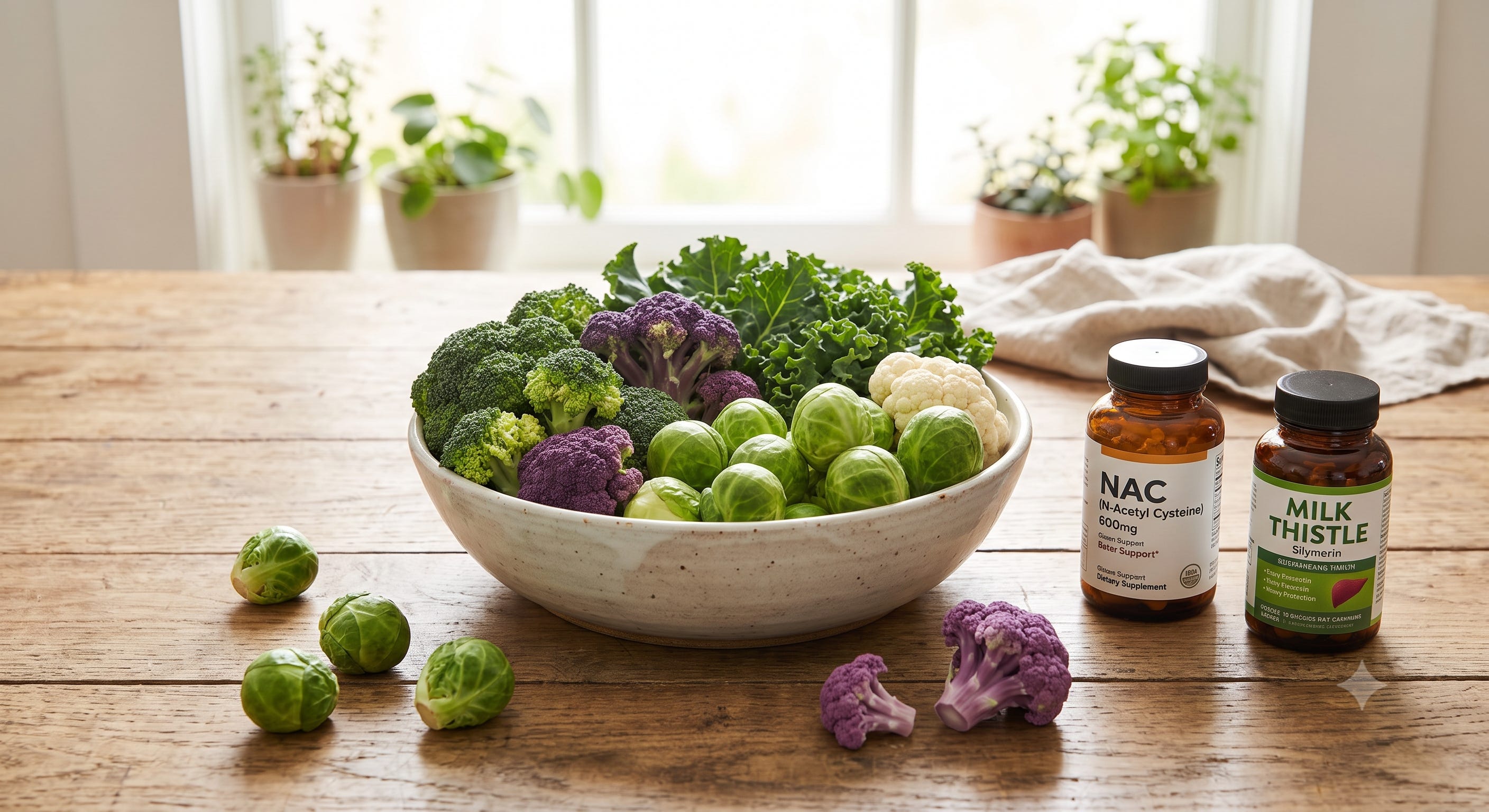
I’ll start with food, as you of course want to eat a whole-food diet consisting of plenty of vegetables, healthy fats, and adequate protein. Cruciferous vegetables are controversial in the world of thyroid health, but they actually do an excellent job of supporting liver detoxification pathways.
Certain supplements can support the liver, including N-acetylcysteine (NAC), milk thistle, and schisandra, all of which can be found in my immune-liver supplement called Hepatommune Supreme. Liposomal glutathione is also something to consider in certain situations.
Sometimes you’ll also need to do things to support bile flow. Foods such as beets and artichokes can be beneficial, although there is also a time and place for supplementation, including choline, taurine, and sometimes bile salts.
Improving gut health is also essential, and so you want to address any gut dysbiosis. I usually recommend prebiotics and probiotics to help improve the diversity of the gut microbiota. There is also a time and place for gut-healing support in the form of bone broth, cabbage juice, or supplements such as L-glutamine, zinc carnosine, and aloe vera.
And of course you want to reduce your toxic burden. While it’s impossible to completely eliminate your exposure to environmental toxins and toxicants, there is a lot you can do in your own home to reduce your exposure.
And I probably don’t have to mention that if you drink alcohol, you’ll want to stop, as it can have a negative effect on both liver and gut health.
What About Liver Cleanses and Detox Programs?
There is a time and place for these, although many are overhyped.
It’s not like you absolutely need to go on a three-week or two-month detoxification program in order to have a healthy liver. The liver is constantly performing detoxification, and for many people, focusing on diet, gut health, reducing toxic exposures, and supporting key detoxification pathways can go a long way.
That said, there are situations where a structured detoxification program can be beneficial. If you decide to do one, it’s usually a good idea to work with a competent practitioner who can determine whether it’s appropriate for your situation and help monitor your progress.
Final Thoughts
The liver doesn’t get nearly as much attention as the thyroid gland or gut when discussing hyperthyroidism and Graves’ disease, but it plays a very important role in overall health.
Not only does the liver help metabolize thyroid hormones, but it also plays a key role in detoxification, hormone metabolism, nutrient storage, bile production, and immune system health. And while antithyroid medication can elevate liver enzymes, hyperthyroidism itself can also place significant stress on the liver.
The good news is that in many cases, elevated liver enzymes improve once thyroid hormone levels normalize. In the meantime, focusing on a healthy diet, improving gut health, supporting bile flow, reducing your toxic burden, and using targeted supplementation when appropriate can all help support optimal liver function.
While liver health alone isn’t usually the key to reversing hyperthyroidism and Graves’ disease, it can be an important piece of the healing puzzle and is something that shouldn’t be overlooked.
Thank you for subscribing to Healing Graves’ Naturally! If you know anyone who has hyperthyroidism who is looking to save their thyroid, please share this with them right away.
Are You Ready to Heal Your Hyperthyroidism?
If you have Graves’ disease or a different type of hyperthyroidism and are looking to save your thyroid and regain your health, here are some other resources you might find helpful:
1. Save My Thyroid Podcast. While most of the guest interviews can benefit those with hyperthyroidism AND Hashimoto’s, there are many solo episodes that focus on hyperthyroidism.
Most of the podcasts are uploaded to my YouTube channel.
—> https://savemythyroid.com/podcast-2/
—> http://www.savemythyroid.com/YouTube
2. Hyperthyroid Books. I have three thyroid-related books, two of them which focus on hyperthyroidism. Natural Treatment Solutions for Hyperthyroidism and Graves’ disease is in it’s third edition, and my latest book is The Hyperthyroid Healing Diet.
—> https://savemythyroid.com/book
3. Healing Graves’ Naturally Skool Community. When you join you get access to my Graves’ Survival Roadmap Training, and there is also a free monthly Hyperthyroid Healing Diet Q & A call with one of my nutritional health coaches.
—> https://www.savemythyroid.com/healgravesdisease
4. Hyperthyroid Healing Program. If you’re ready to heal your hyperthyroidism then you might be interested in my Hyperthyroid Health Restoration and Optimal Health program, where you will work with me one-on-one to heal your hyperthyroidism. For more information click on the links below.