
Why Does Graves’ Relapse Happen?

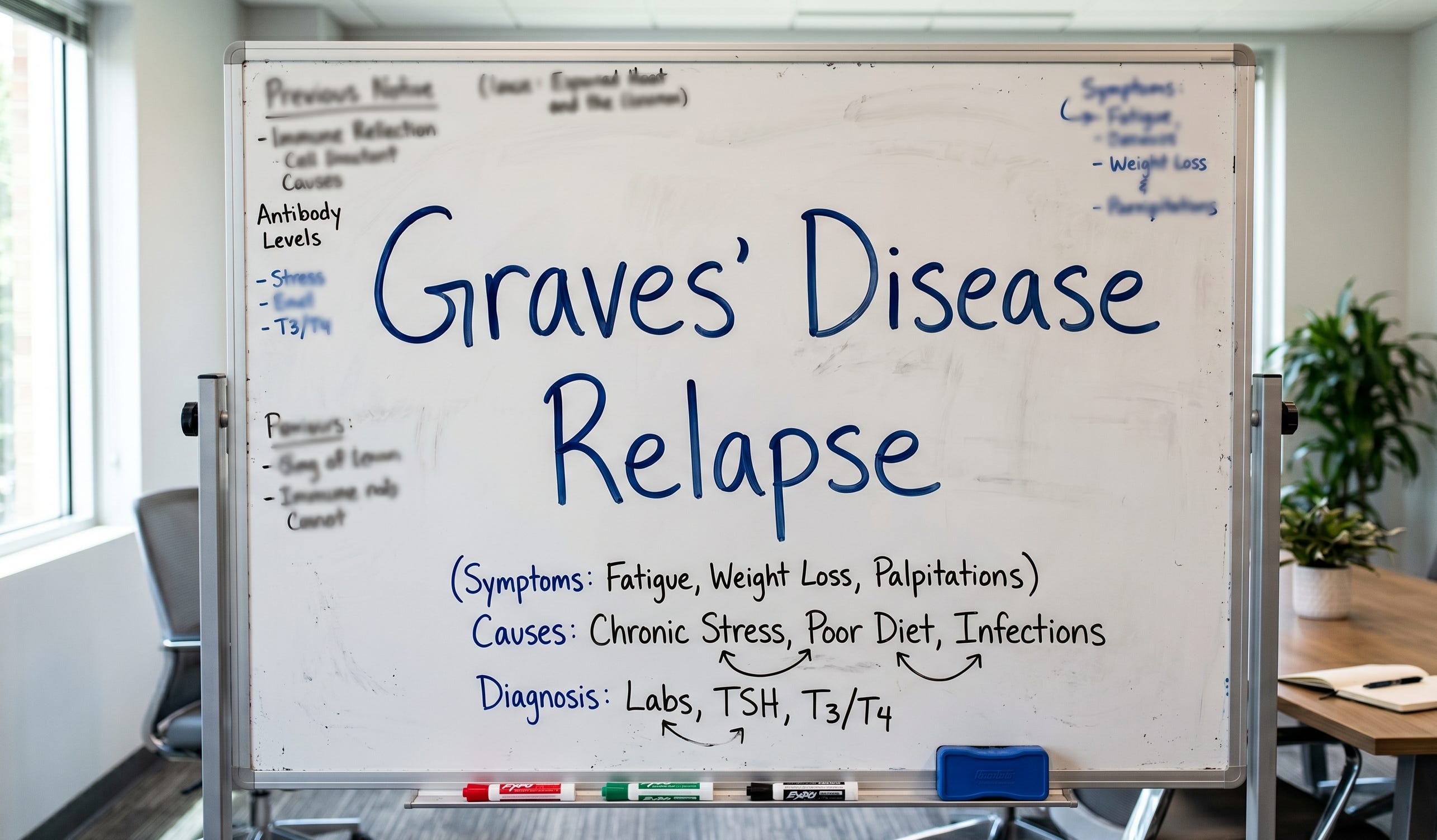
I’ve been in Graves’ remission since 2009, and while there’s always a chance I could relapse, over the years I’ve noticed some clear patterns in those who relapse quickly versus those who maintain a state of wellness for many years.
Even if you’re still working toward restoring your health, I think you’ll benefit from this article, as some of these same factors can also prevent people from achieving remission in the first place.
If you know someone who might find this article helpful, please forward it to them. And if you’re not already signed up for my free newsletter, you can do that here:
Before discussing the most common reasons for relapse, what exactly is considered a “relapse” in someone with Graves’ disease?
Let’s compare this to cancer. When someone is in complete remission, there is no detectable cancer, and many doctors will say the cancer has been cured.
With Graves’ disease, the definition isn’t as clear. Some endocrinologists will say a patient is in remission if their TSH, T4, and T3 fall within the normal range within a few weeks or months of stopping medication. Other sources define remission as maintaining normal thyroid hormone levels for more than one year after stopping medication.
Ignoring Elevated Graves’ Antibodies
In Newsletter #6, I discussed the importance of lowering thyroid antibodies. This isn’t always easy and can take time. But since Graves’ disease is an autoimmune condition, it makes sense that you would want to see the thyroid-stimulating immunoglobulins (TSI) and/or TSH receptor antibodies (TRAb) normalize before declaring remission.
The truth is that having normal thyroid hormone levels doesn’t necessarily mean your Graves’ antibodies are normal. And if those antibodies are still elevated, there is still an autoimmune process taking place.
So while normalizing thyroid hormones is important, ideally you also want to see the antibodies normalize, as this greatly reduces the likelihood of relapse.
Can Methimazole Put Someone Into Remission?
Recently, a patient asked me whether taking methimazole alone can put someone with Graves’ disease into remission. Their endocrinologist mentioned that methimazole may also have effects on the immune system, based on a study showing that 62.5% of participants achieved remission using antithyroid medication (1).
First, this was a relatively small study with only 64 participants. More importantly, methimazole doesn’t directly address the underlying autoimmune triggers. While it may have some indirect effects on the immune system, it doesn’t remove the root causes of the condition.
A good comparison is low-dose naltrexone (LDN), which is sometimes used to modulate the immune system. Some people taking LDN see improvements in their thyroid antibodies, but if they stop taking it, relapse is common. The same pattern can occur with methimazole.
This doesn’t mean methimazole shouldn’t be used. There is absolutely a time and place for it. But ideally, it should be combined with strategies that support immune health and address underlying triggers—something most endocrinologists unfortunately don’t focus on.
5 Reasons Why Many People With Graves’ Disease Relapse
Reason #1: They were never truly in remission
Many endocrinologists don’t routinely evaluate thyroid antibodies—specifically TSI and TRAb—before declaring remission. But as long as these antibodies remain elevated, there is still a risk of becoming hyperthyroid again.
If someone has been on antithyroid medication for 18–24 months and is told to stop, it makes sense to first check these antibodies. If they are still elevated, it may be worth continuing a low dose of medication while also addressing the autoimmune component.
If antibodies are negative, relapse is still possible—but much less likely.
Reason #2: Chronic stress
It’s a great feeling when someone reaches the point where their thyroid levels are normal, their antibodies are negative, and they’re no longer taking medication. And while many people who take a natural approach maintain long-term wellness, chronic stress is one of the biggest reasons others relapse.
In most cases, it’s not just the presence of stress—but how well someone manages it. I discussed this in Newsletter #5 (“Did Stress Trigger Your Graves’ Disease?”), and it’s something that needs ongoing attention even after remission is achieved.
Reason #3: Infections
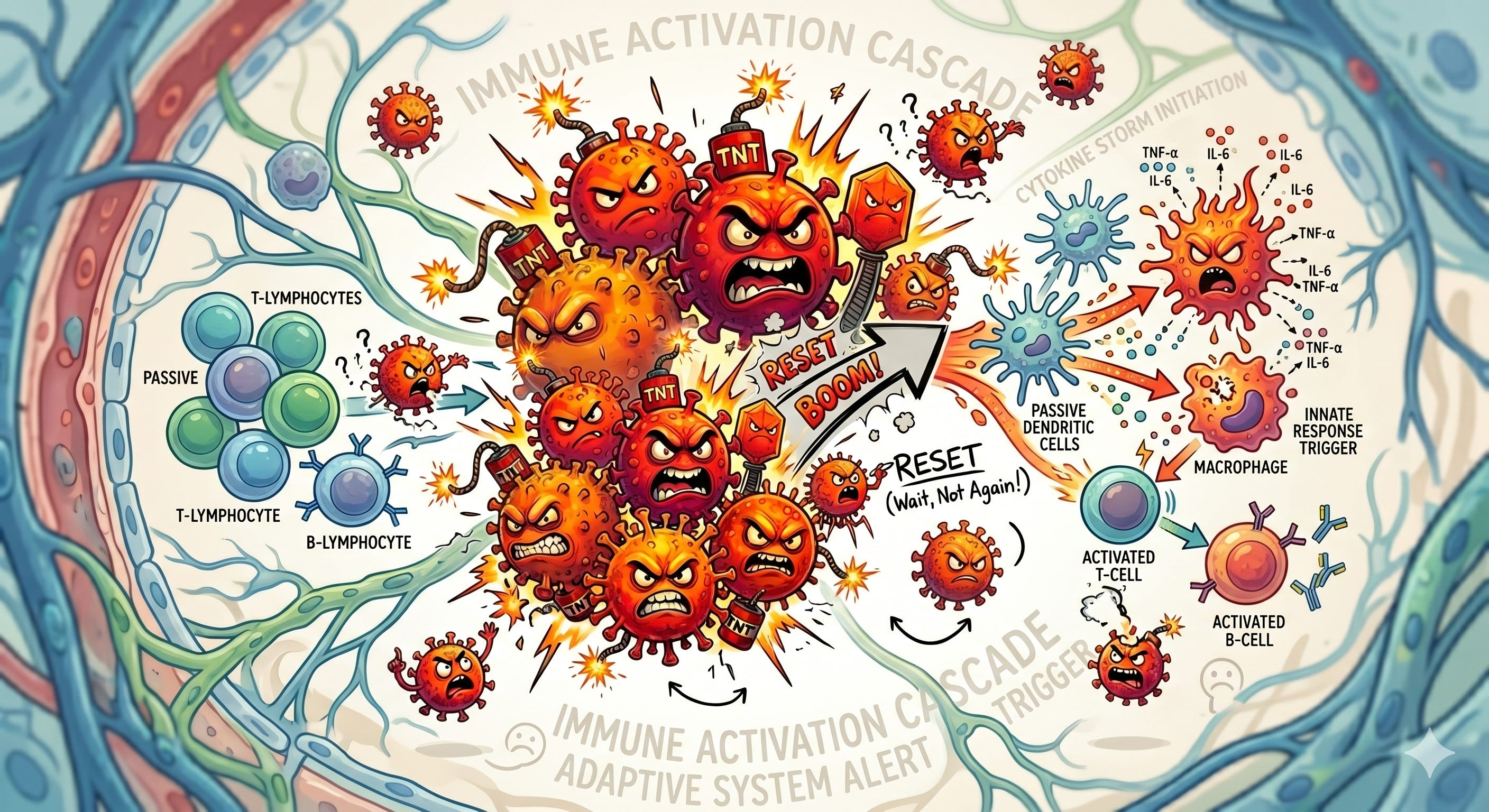
Relapses were more common during the pandemic, which highlights how infections—especially viral infections—can trigger a recurrence of Graves’ disease.
Since achieving remission, I’ve personally dealt with three significant infections without relapsing: shingles in 2016, chronic Lyme disease and bartonella in 2018, and COVID pneumonia in early 2022. At one point when dealing with covid pneumonia I thought I had relapsed, but the symptoms, including the tachycardia, were due to the infection itself.
While there may be some element of luck involved, I also believe that consistently supporting my immune system played a big role in maintaining my health.
Reason #4: Falling off track with the diet
I definitely haven’t followed a perfect diet since 2009, but I eat well most of the time—and when I do indulge, it’s usually short-lived.
On the other hand, some people fall completely off track and return to their old eating habits. Others may only do this temporarily, but for extended periods.
A common example is from Thanksgiving through the New Year—about six weeks of consistently eating inflammatory foods. I’m not talking about occasional indulgences, but daily poor dietary choices.
While I do indulge from time to time, I don’t go long stretches eating poorly. Even when I travel, I try to stay relatively consistent. Preparation is key—choosing accommodations with a kitchen, planning meals, and researching restaurants in advance can make a big difference.
Reason #5: Other environmental triggers
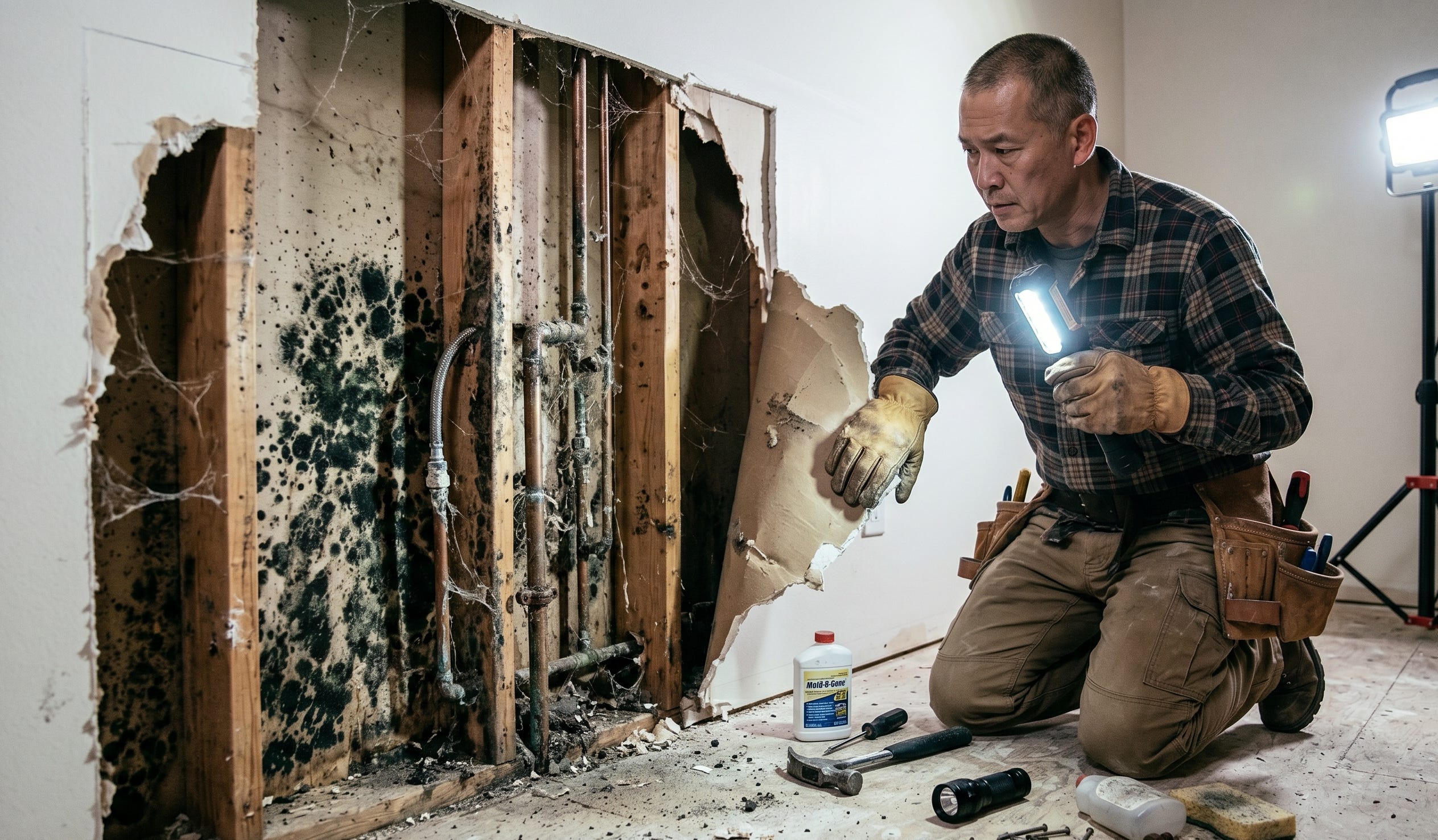
While most relapses fall into the categories above, sometimes other environmental factors are involved. Mold exposure is one example that seems to be increasingly common.
Even if you don’t see visible signs of water damage, mold can still be present. Testing your home or doing a urinary mycotoxins test can help identify whether this is a factor.
There are certainly other possible triggers, but these are the most common patterns I’ve seen over the years.
Final Thoughts
Relapses can happen, but in many cases they aren’t random. There are often underlying factors that increase the likelihood of a relapse, many of which can be addressed.
The goal isn’t just to get into remission—it’s to stay there. And that usually requires continuing to support your immune system, manage stress, maintain a healthy diet, and stay aware of potential triggers.
If you’ve experienced a relapse and have an idea of what may have contributed to it, feel free to share in the comments. Your experience could help others on their healing journey.
Thank you for subscribing to Healing Graves’ Naturally! If you know anyone who has hyperthyroidism who is looking to save their thyroid, please share this with them right away.
Ready to Heal Your Hyperthyroidism?
If you have Graves’ disease or a different type of hyperthyroidism and are looking to save your thyroid and regain your health, here are some other resources you might find helpful:
1. Save My Thyroid Podcast. While most of the guest interviews can benefit those with hyperthyroidism AND Hashimoto’s, there are many solo episodes that focus on hyperthyroidism.
Most of the podcasts are uploaded to my YouTube channel.
—> https://savemythyroid.com/podcast-2/
—> http://www.savemythyroid.com/YouTube
2. Hyperthyroid Books. I have three thyroid-related books, two of them which focus on hyperthyroidism. Natural Treatment Solutions for Hyperthyroidism and Graves’ disease is in it’s third edition, and my latest book is The Hyperthyroid Healing Diet.
—> https://savemythyroid.com/book/
3. Healing Graves’ Naturally Skool Community. When you join you get access to my Graves’ Survival Roadmap Training, and there is also a free monthly Hyperthyroid Healing Diet Q & A call with one of my nutritional health coaches.
—> https://www.savemythyroid.com/healgravesdisease
4. Hyperthyroid Healing Strategy Call. This is for those who are ready to dedicate time, energy, and finances to work with me one-on-one in my Hyperthyroid Health Restoration and Optimal Health program. I’ve been working with hyperthyroid patients since 2009, and personally dealt with Graves’ disease and restored my own health.
—> http://www.savemythyroid.com/strategycall
I went off Methimazole in March of 2025; my numbers remained in normal range until October. The relapse was a result of stress-it was positive stress (buying property, moving, dating, and starting CrossFit) My numbers were slightly off and I lost weight, so I went back on Methimazole. After 3 months of 5 mg of Methimazole daily and less stress, my numbers went back into the normal range, and my weight returned. I will begin lowering my dose and hopefully get off again in the next few months if my numbers remain steady. I continue to focus on an overall wellness approach to manage my Grave's.